


Academic Company Events NI Developer Zone Support Solutions Products & Services Contact NI MyNI

Ethernet Analog Input

Configure Page for: Print PDF Rich Text
  • Use widespread Ethernet network infrastructure for remote measurements
  • Stream data on each measurement channel at more than 50 kS/s with 24 bits of resolution
  • Simplify remote monitoring with LabVIEW and direct sensor connectivity
  • Seamlessly integrate distributed measurements into existing systems
  • Save setup and development time with NI-DAQmx measurement services software

NI Ethernet data acquisition (DAQ) devices combine Ethernet communication, direct sensor connectivity, and the flexibility of NI LabVIEW software for remote monitoring of electrical, physical, mechanical, and acoustical signals. NI Ethernet DAQ devices can stream data on each channel at more than 50 kS/s with 24 bits of resolution. With the flexibility of LabVIEW graphical programming and the ubiquity of Ethernet network infrastructure, NI Ethernet DAQ makes it easy to incorporate remote connectivity into new or existing PC-based measurement or control systems.

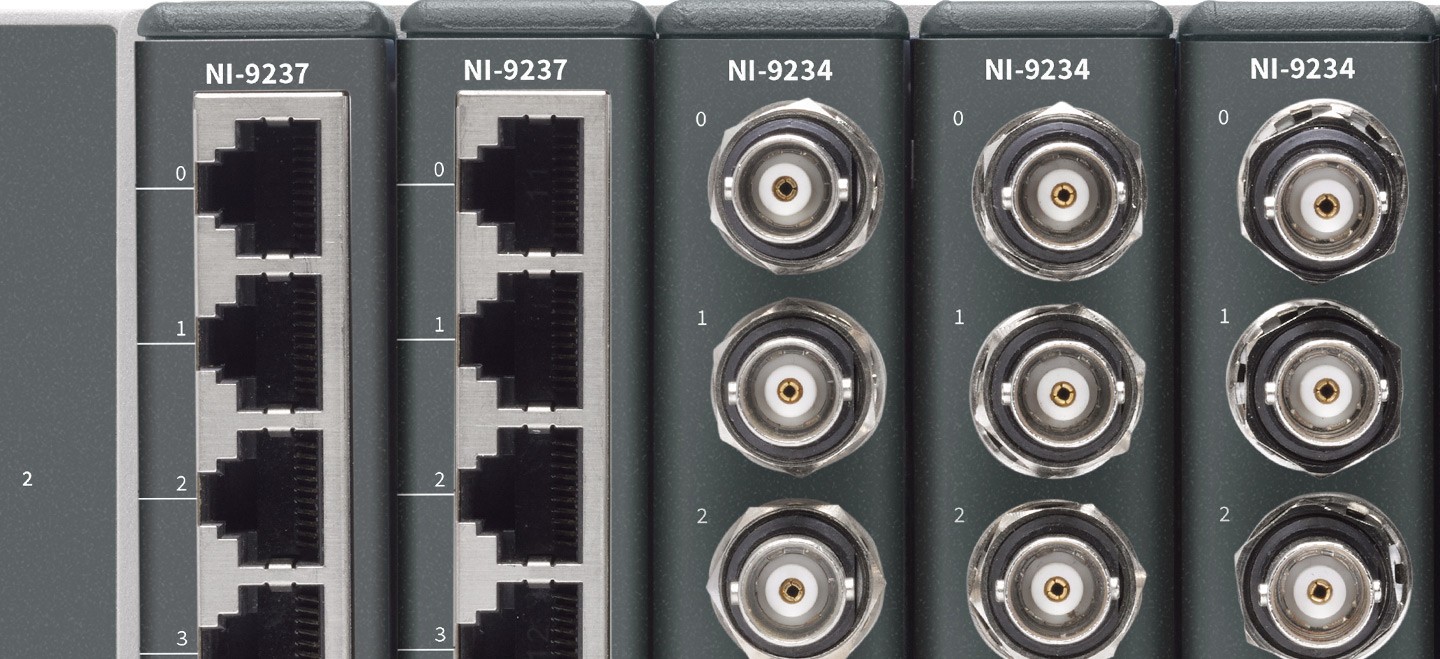
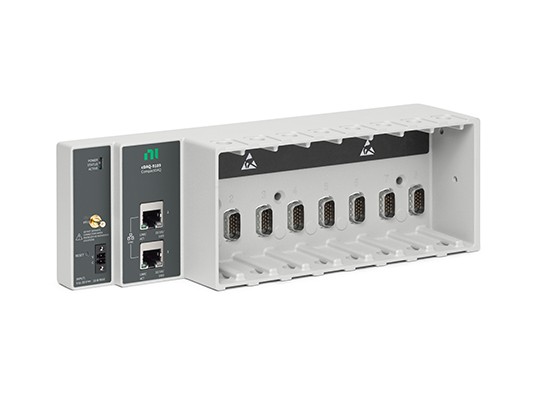
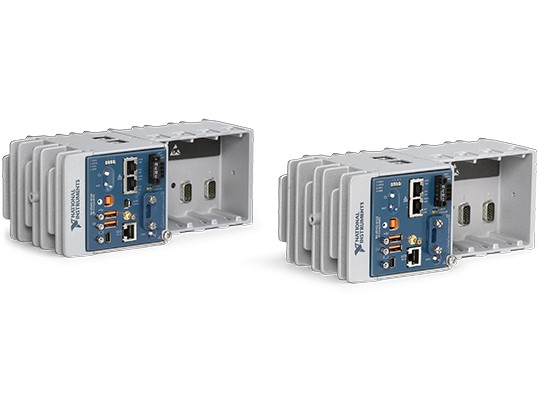
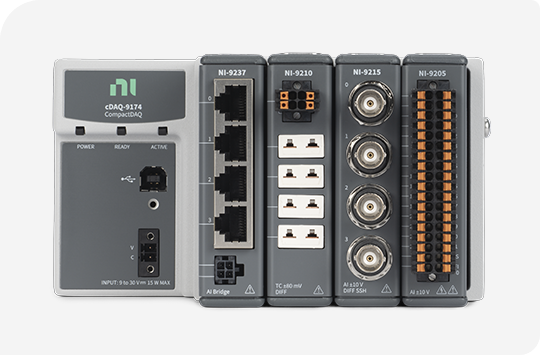
NI Ethernet DAQ devices consist of an NI C Series measurement module and an Ethernet carrier. The NI ENET-9163 is a single module C Series carrier that provides Ethernet connectivity back to a host PC. C Series modules offer direct sensor connections and built-in signal conditioning for a variety of measurements, including temperature, strain, acceleration, current, and voltage. You may purchase ENET-9163 carriers and C Series modules separately or together as NI ENET-9xxx devices.

Ethernet Analog Input Devices

ENET-9211 (4-channel, 14 S/s, 24-bit, ±80 mV thermocouple input)
ENET-9213 (16-channel, 75 S/s, 24-bit, ±80 mV thermocouple input)
ENET-9215 (4-channel, 100 kS/s/ch, 16-bit, ±10 V analog input)
ENET-9219 (4-channel, 100 S/s/ch, 24-bit, ±60 V, ±25 mA universal input)
ENET-9234 (4-channel, 51.2 kS/s/ch, 24-bit, ±5 V IEPE input)
ENET-9237 (4-channel, 50 kS/s/ch, 24-bit, ±25 mV/V bridge and strain input)

For more information on NI wireless DAQ devices, see the individual model pages or the resources below.